



Book Now

Gorilla Trekking Cost Calculator

Estimate your gorilla trekking safari cost and send us your request.


    Your Details


    Gorilla Trekking in Uganda & Rwanda Travel Guide

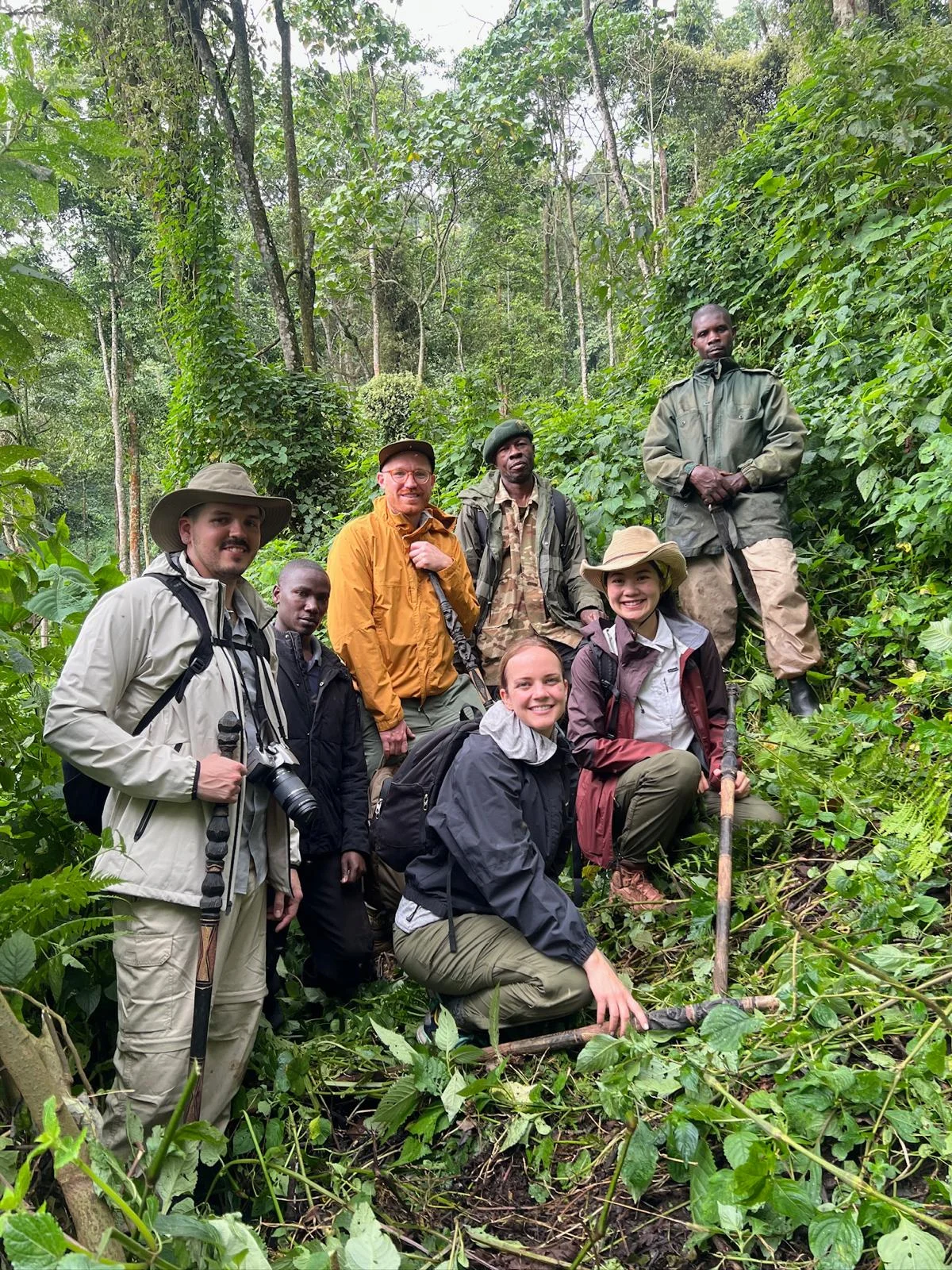
    Gorilla treks start with a meeting at the park office where you are assigned a group to visit. Groups have up to eight people each, and each group visits one gorilla family.

    How long the trek takes depends on the assigned group. Less fit visitors are typically given easier, closer groups, while fitter visitors may be assigned longer, harder treks. In Uganda, treks can last from 30 minutes to seven hours.

    When you find the gorillas, you spend one hour with them, staying at least 7 meters away at all times (see the full rules further down). After the hour is up, you return to the starting point, receive a gorilla trekking certificate, and the trek concludes.

    Gorilla Trekking in Rwanda

    To trek gorillas in Volcanoes National Park, you need a permit priced at USD 1500 per person. Only people over 15 can obtain this permit.

    Gorilla families in Rwanda include: Bwenge, Ugenda, Hirwa, Kwitonda, Agashya, Sabyinyo, Umubano, Amahoro, Karisimbi, Susa, Titus, Igisha, Isimbi, Noheli, Kwisanga, Kigoma, Muhoza, and Urwego.

    Gorilla Trekking in Uganda

    To trek gorillas in Bwindi or Mgahinga, you need a permit priced at USD 800 per person. Only those aged 15 and above can obtain a permit.

    Gorilla families in Uganda include: Nshongi, Rushegura, Nkuringo, Habinyanja, Mubare, Oruzogo, Bitukura, Mishaya, Busingye, Kahungye, Nyakagezi, Katwe, Christmas, Mukiza, Muyambi, Mucunguzi, Posho, Binyindo, Kutu, Bikingi, Bushaho, Bweza, and Hirwa.

    Where to See Gorillas in Uganda & Rwanda

    Bwindi Impenetrable National Park

    Bwindi has four trekking sectors: Nkuringo, Rushaga, Ruhija, and Buhoma. Rushaga and Buhoma tend to suit older visitors best, given their gentler terrain.

    • Nkuringo, in the west, has 3 to 4 gorilla groups. Visitors can stay in Rushaga and trek in Nkuringo, or vice versa, given the short distance between the two.
    • Rushaga, in the south, has the most gorilla families of any sector, and is close to Rwanda, only a four hour drive from Kigali.
    • Ruhija, in the east, offers some of the easiest and most accessible treks.
    • Buhoma, in the northwest, is home to Bwindi’s oldest habituated family and offers excellent trekking.

    Mgahinga Gorilla National Park

    Mgahinga is Uganda’s smallest national park, covering 33.7 square kilometers, bordering Volcanoes National Park in Rwanda and Virunga National Park in the Democratic Republic of Congo. It isn’t often highlighted as a primary trekking destination. The park is named after Mount Gahinga, meaning “piles of stones,” and became a game sanctuary in 1930 before being designated a national park in 1991.

    Mgahinga is home to three of the Virunga Volcanoes: Mount Sabyinyo, Mount Muhabura, and Mount Gahinga, and currently has one habituated group, the Nyakagezi family, known for the elderly silverback Bugingo, whose long tenure with the group is considered unusual.

    Volcanoes National Park

    Volcanoes National Park sits within the wider Virunga Massif, which spans eight volcanoes across Rwanda, Uganda, and the Democratic Republic of Congo. The park itself covers 160 square kilometers and protects five of these volcanoes, bordering Mgahinga National Park in Uganda and Virunga National Park in Congo.

    The park is also home to animals such as bushbucks, buffaloes, elephants, golden monkeys, and baboons, and was once home to Dian Fossey, the American primatologist who studied and protected mountain gorillas here. She founded the Karisoke Research Center, which continues to operate today.

    Gorilla Trekking vs Gorilla Tracking

    Understanding the difference between gorilla tracking and gorilla trekking is useful when planning your trip, since the two are often confused.

    Gorilla trekking involves tourists being guided by a ranger in search of mountain gorillas in the wild. Gorilla tracking refers specifically to the work rangers and researchers do to locate a habituated gorilla family before trekking begins. Trackers head into the forest ahead of tourists, using signs such as dung, broken branches, and leftover food to determine where the gorillas slept or moved the previous day, then relay the information to park headquarters so tourists can be guided efficiently to the group.

    Trekking begins with a morning briefing covering rules and expectations, while tracking starts even earlier to make the trek itself more efficient, increasing the likelihood of tourists successfully finding their assigned family.

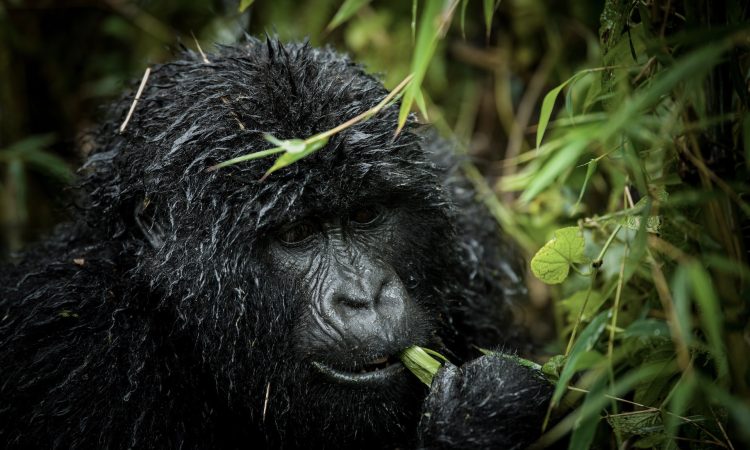
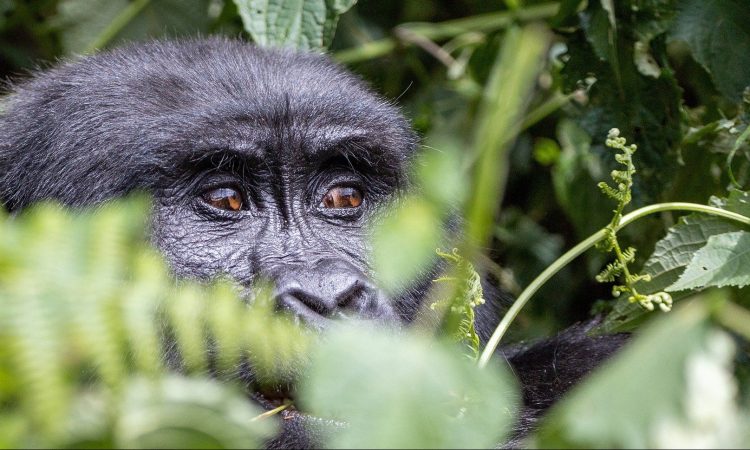
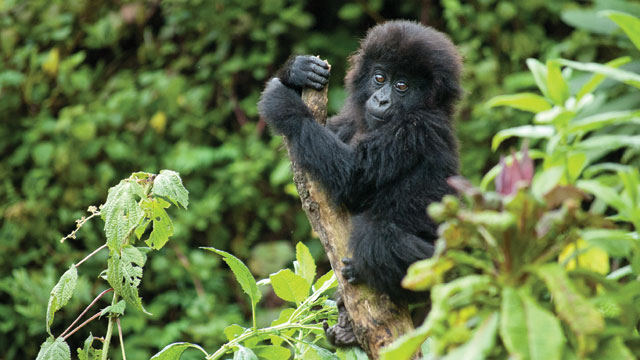
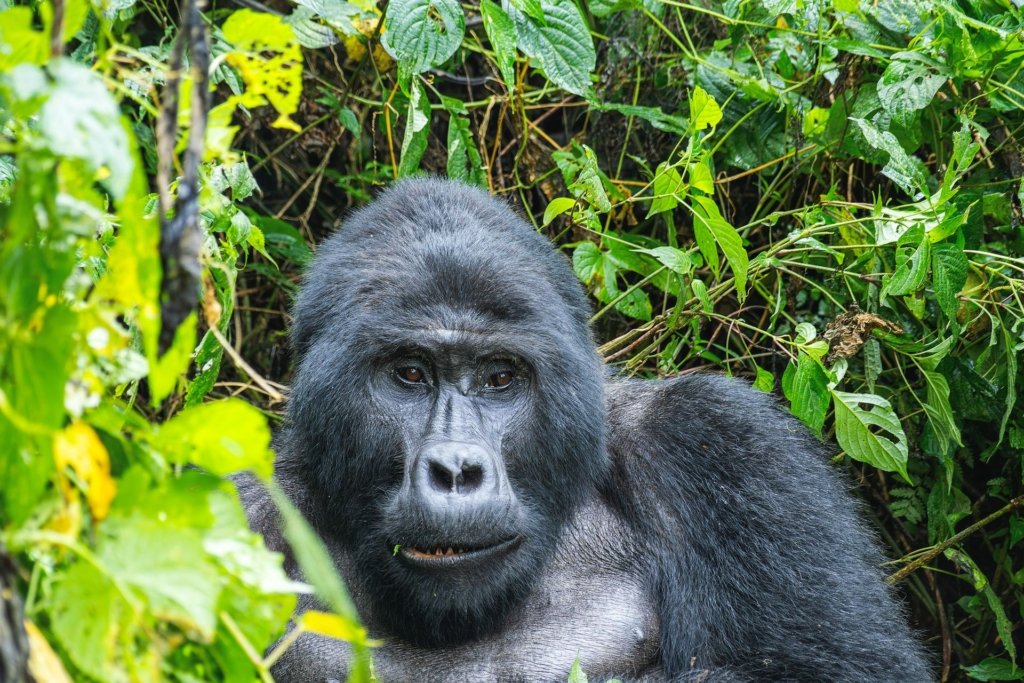
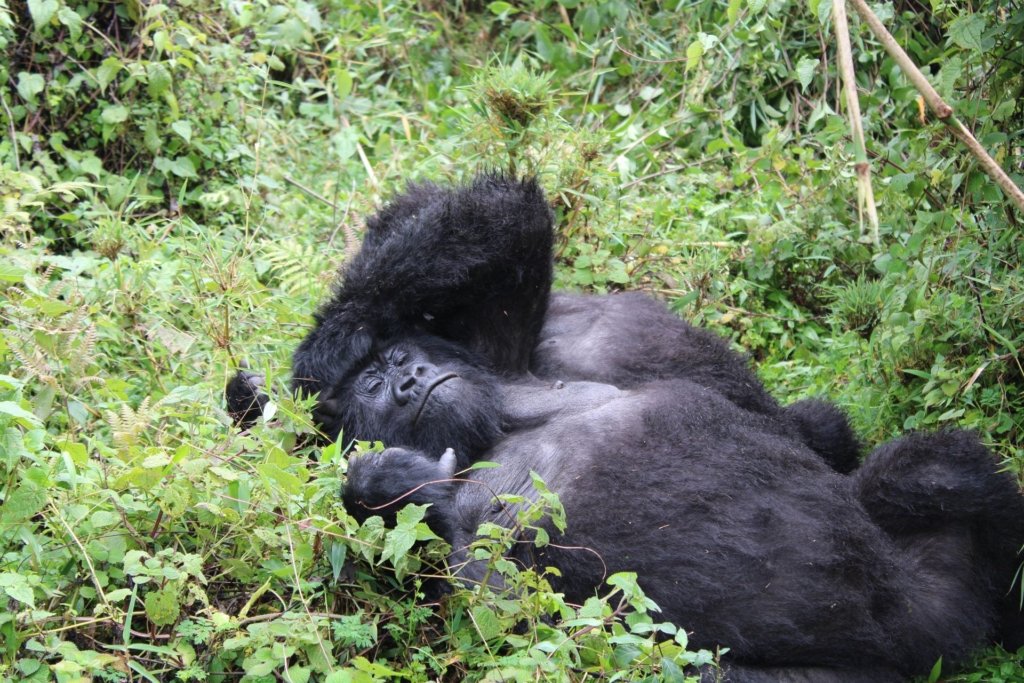
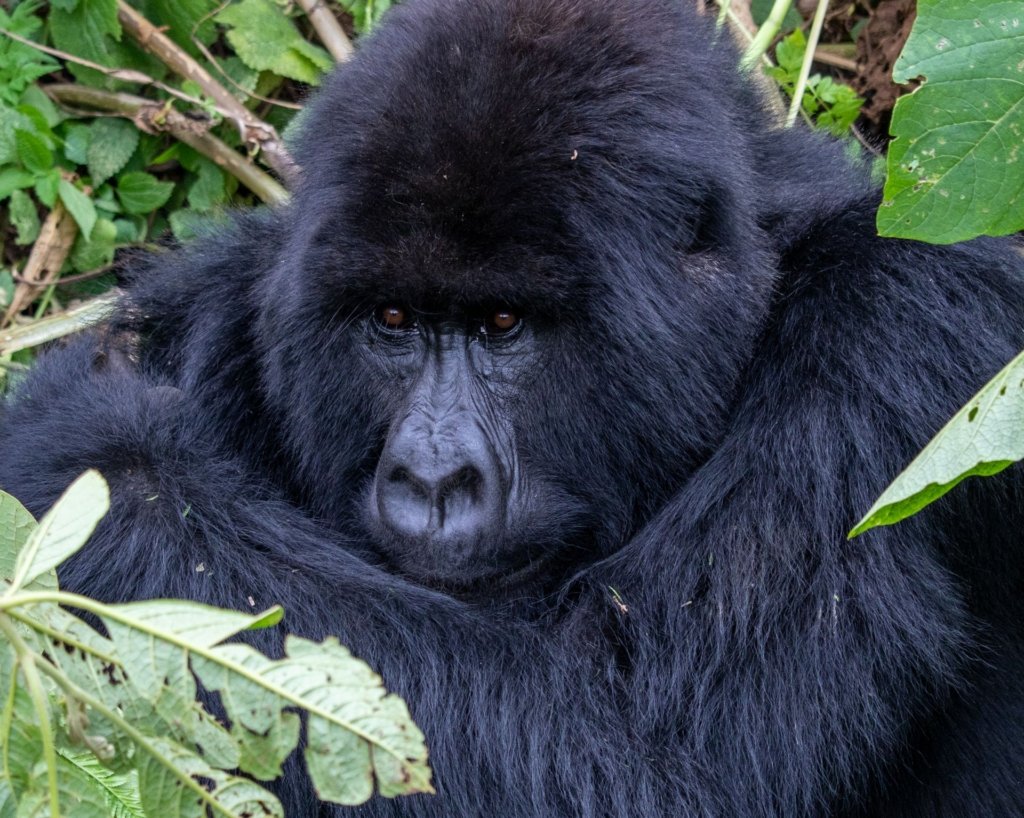
    Gorillas are the largest living primates in the world, divided into two species: eastern gorillas and western gorillas, further grouped into eastern lowland gorillas, western lowland gorillas, mountain gorillas, and cross river gorillas.

    Uganda vs Rwanda Gorilla Trekking Comparison

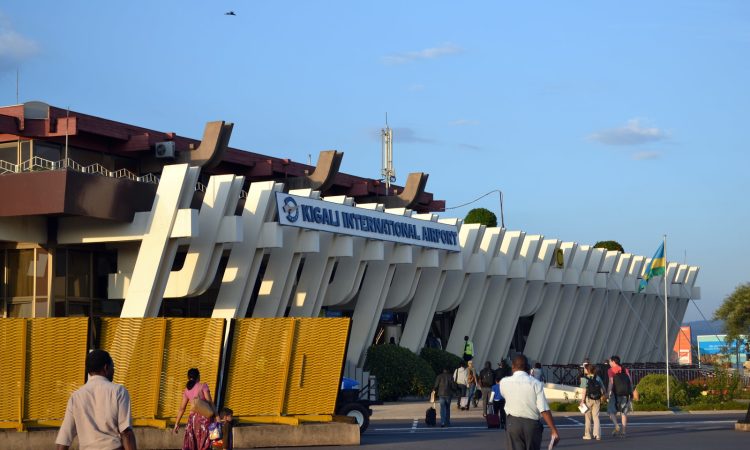
    Uganda may suit tourists who want to combine gorilla trekking with broader wildlife viewing, since the country offers access to several other national parks, and its permits are generally cheaper. Rwanda, by contrast, centers its tourism more heavily around gorilla trekking itself, and tends to offer shorter travel times, with Volcanoes National Park only a few hours’ drive from Kigali International Airport, whereas reaching Uganda’s gorilla parks from Entebbe can take most of a day by road (flying into Rwanda and driving to the Ugandan parks is a faster alternative).

    Uganda offers gorilla habituation, allowing visitors to spend four hours with a gorilla family as researchers work to acclimate them to human presence, an experience not currently offered in Rwanda. Road conditions tend to be more consistent in Rwanda, while some roads to Uganda’s parks can be rougher, especially during the rainy season. Rwanda’s Kwita Izina gorilla naming ceremony also adds a unique cultural element that Uganda does not currently offer an equivalent to.

    Uganda has more gorilla families and issues more permits daily than Rwanda, and Bwindi is known for having one of the highest primate counts of any park in the region, along with a wider range of accommodation from budget to luxury, while lodges near Volcanoes National Park tend to skew toward the higher end.

    Ultimately, the choice comes down to budget and the kind of experience you want, since the core trekking experience itself is broadly similar in both countries.

    Gorilla Trekking Permit Costs & Fees

    The total cost of a gorilla trek depends on several factors: the permit price, the country, the tour operator, the number of treks planned, trip length, choice of safari vehicle, accommodation level, and any special requests.

    The permit is the essential cost and the starting point for planning everything else. Budget lodges cost less, mid-range more, and luxury lodges the most, and each individual trek requires its own separate permit. Land cruisers cost more to hire than standard safari vans.

    Gorilla Group Allocation

    The gorilla allocation process considers age, physical ability, and other factors when deciding which gorilla group each visitor treks. In the past, some tourists chose specific gorilla families based on online information, leading to certain families being visited frequently while others were largely overlooked, so the system was changed.

    Today, permits are allocated based on age, fitness, and physical ability rather than a specific family. Tourists can select which region or sector they want to trek in, but not the exact gorilla group in advance. Trackers head into the forest early to locate the gorilla groups, reporting this to park headquarters, and visitors are then assigned to groups accordingly, with older or less physically fit visitors typically given the closest group.

    Is Gorilla Trekking Worth It?

    Gorilla trekking is currently one of the most expensive tourist activities in Africa, with permit prices of USD 1500 in Rwanda, USD 800 in Uganda, and USD 400 (lower in the low season) in the Democratic Republic of Congo.

    For many, it’s worth it precisely because mountain gorillas cannot survive in captivity, meaning their natural habitat is the only place to see them. Conservation funded largely by permit revenue has helped grow the mountain gorilla population from around 300 individuals in the 19th century to roughly 1,000 today. Local communities also benefit directly through permit revenue-sharing schemes in both Uganda and Rwanda, which have helped shift many away from hunting gorillas toward earning income through tourism instead.

    How to Book Gorilla Trekking Permits

    In Uganda, permits are sold by the Uganda Wildlife Authority or through tour companies at USD 800, with the habituation experience priced at USD 1500. Filming and photography for commercial purposes typically require additional fees.

    In Rwanda, a standard trekking permit costs USD 1500, with a discounted rate available from November through May for visitors staying more than three days and visiting an additional Rwandan park.

    Permits should generally be booked at least three months in advance, and a tour company can assist with the process.

    How Difficult Is Gorilla Trekking? (Fitness Tips)

    Trek difficulty depends largely on where the assigned gorilla family is located that day. Some families are closer and easier to reach, while others live farther away in higher terrain, making the hike more demanding, and reaching a family can take anywhere from 3 to 6 hours since gorillas move.

    Weather can change quickly, and rain can make paths muddier and harder to walk. Because gorillas live in high altitude terrain, a reasonable level of fitness helps considerably, and getting some exercise in the weeks before your trip, such as jogging, walking longer distances, or gym work, is worthwhile. Many travelers who trained beforehand report a more enjoyable experience. High demand for the limited number of daily permits has also made trekking somewhat more competitive to book in recent years.

    Gorilla Trekking for Seniors & Disabled Travelers

    Gorilla trekking in Uganda and Rwanda is accessible to seniors, disabled travelers, and people with special needs, despite the physically demanding terrain. Two main support options make this possible: sedan chairs, where porters carry visitors on a seat slung between poles until the gorilla family is found, and bamboo stretchers, which work similarly. Visitors are set down to enjoy the one hour viewing before being carried back.

    Costs run around USD 400 per person, varying by weight and distance, and should be booked in advance with park authorities notified beforehand.

    Minimum Age for Gorilla Trekking

    The Uganda Wildlife Authority, Rwanda Development Board, and Institut Congolais pour la Conservation de la Nature have each set the minimum gorilla trekking age at 15 years old. Visitors with infectious illnesses, such as flu or a persistent cough, are also not permitted to trek, since mountain gorillas can catch human diseases easily and such illnesses can be fatal to them.

    Why the Age Limit Was Set

    • Children are more likely to carry and spread illnesses, which pose a serious risk to gorillas.
    • It’s difficult to predict how a child might react upon seeing a gorilla, and sudden movement or panic could increase the risk of provoking the animal.
    • Authorities may request identification to confirm a visitor’s age, and anyone found underage during the morning briefing will not be permitted to join the trek.
    • A frightened or panicked child may struggle to follow the calming guidance expected if a gorilla shows signs of aggression.
    • The steep, high altitude terrain can be physically demanding, and children may tire quickly or wander off the path.

    If your child is under the minimum age, avoid booking a permit without first confirming any exceptions with the relevant authority, since this can otherwise cost you both time and money.

    Gorilla Trekking Tipping Guide

    Tipping is a personal choice, generally based on what you can afford and how you felt about your guide’s service. Since guides are typically paid a modest base salary, many rely on tips to supplement their income. There’s no fixed rule for how much to tip, though most travelers give between $10 and $25, with more offered for exceptional service.

    Your trekking group will typically include ranger guides, trackers, and porters, and groups often discuss and pool a shared tip among them. Tipping isn’t required, but it’s a meaningful gesture, usually given on the final day of the trek, and the same applies to other safari activities and lodge staff such as porters and waitstaff. Porters do not earn a fixed salary, generally earning around $10 to $20 per trek, so a tip can meaningfully support them.

    Gorilla Trekking Packing List & What to Wear

    The gear needed for trekking is broadly the same across all mountain gorilla destinations. Since East Africa’s climate can shift quickly, it’s worth packing for a range of conditions regardless of season.

    • Hiking boots: Essential in any season, since you may hike for hours over uneven, sometimes muddy terrain.
    • Rain jacket: Rain is common in gorilla habitats even in the dry season.
    • Long trousers and long-sleeved shirts: Protect against insects and scratches from vegetation.
    • Garden gloves: Useful for gripping plants and steadying yourself on rough paths.
    • Warm clothing: Mountain elevations can get cold.
    • Sunglasses, a hat, and sunscreen: Useful protection during sunnier, drier conditions.
    • Drinking water: No water sources are available in the forest.
    • Binoculars: Useful for spotting the region’s many bird species.
    • Camera with extra batteries: Remember to disable your flash, since it can startle the gorillas.
    • Energy snacks and a packed lunch: Treks can run long; carry all waste back out of the forest.
    • Insect repellent: Helpful given the number of insects in the forest.
    • A small first aid kit and daypack to carry all of the above comfortably.

    Is Gorilla Trekking Safe?

    In Uganda: the country is politically stable, and trekking groups of up to eight people are accompanied by an armed ranger trained to recognize gorilla behavior and end a trek early if the animals show signs of stress or aggression. Uganda also deploys tourism police who patrol the parks day and night, including camping in the bush to help ensure visitor safety.

    In Rwanda: the country is considered one of the safest in Africa and has been stable since the end of the genocide. As in Uganda, armed rangers accompany trekking groups in Volcanoes National Park.

    Your own behavior also plays a role in trek safety. Listen closely to the pre-trek briefing and follow all instructions while with the gorillas, since while typically calm and gentle, they can become aggressive if they feel threatened. Most lodges near the parks also employ armed guards for guest and property security. The full trekking rules below cover the specific behaviors expected of visitors.

    Gorilla Trekking Rules

    Rules are broadly similar across Uganda, Rwanda, and Congo, and exist to protect both visitors and gorillas:

    • Only eight people may visit a gorilla group per day, to limit disturbance.
    • Take all waste out of the park; nothing should be left behind.
    • Keep your voice low throughout the trek, and for at least 200 meters after the visit ends.
    • Stay at least 7 meters from the gorillas at all times, and never attempt to touch them.
    • Stay close to your group rather than spreading out.
    • Wash your hands thoroughly before the trek.
    • Do not eat, drink, or smoke near the gorillas, since this can spread disease through droplets or smoke.
    • If a gorilla charges, follow your guide’s instructions, avoid direct eye contact, crouch slowly, and never run.
    • Move slowly when taking photos, and disable your camera flash.
    • Standard visits last up to one hour; habituation visits last up to four hours. A guide may end a visit early if the gorillas appear distressed.
    • Visitors with a contagious illness will not be permitted to trek.
    • If you need to relieve yourself in the forest, your guide will dig and later cover a hole for you.
    • Turn your head away if you cough or sneeze near the gorillas.
    • Children under 15 are not permitted to trek.

    Best Time for Gorilla Trekking in Uganda & Rwanda

    Uganda is a landlocked, equatorial country with a favorable climate suitable for visiting year-round, receiving 1,000 to 2,000 mm of rainfall annually. Daytime temperatures average around 21.5°C (71°F), dropping to about 12°C (54°F) at night. Rwanda has a similar climate, averaging around 22°C in the day and 12°C at night, with comparable annual rainfall.

    Dry season (June to September, and December to February): the best overall window for trekking in both countries. Weather is mostly sunny, vegetation is thinner, roads are easier to use, and trails are less muddy, making for clearer views and easier hiking. This is peak season, so book permits and lodges well in advance, since accommodation fills up quickly.

    Wet season (mid-March to the end of May, and October to November): mountain gorillas have more food available at lower elevations, making them easier to find since they don’t need to climb as high. However, rain can make roads harder to use and trails muddy and slippery. On the upside, many lodges offer discounted rates, gorilla permits are easier to secure, sometimes even within the same month as your trek, and October and November are particularly good for birding, since migratory birds from North Africa and Europe are present, and for photography, thanks to lush, green vegetation.

    Since gorilla habitats sit within tropical rainforest, rain is possible even during the dry season, so it’s worth packing for wet weather regardless of when you visit (see the packing list above).

    Gorilla Trekking Month by Month

    • January: Dry and sunny, with easy trails and active gorillas. A strong month for photography.
    • February: Still dry season; smooth trekking conditions, though a busy period, so book early.
    • March: Rains begin; trails get muddier, but the forest turns green. Fewer visitors and lower prices.
    • April: Heavy rains make trekking harder, though gorillas often stay lower and easier to reach. Good for budget-conscious travelers.
    • May: Still wet, easing toward month’s end. A strong period for birding.
    • June: Start of the long dry season, with clear skies and firm trails, one of the best months to trek.
    • July: Continued dry, sunny weather; a peak season, so book early.
    • August: Another strong dry month with clear paths and good photography conditions.
    • September: Dry season winding down, with occasional light rain; quieter than July and August.
    • October: Rains return, trails get muddier, and visitor numbers and prices drop.
    • November: Rain continues but more moderate; a calmer trekking period.
    • December: Short dry season begins, an excellent month for trekking, though busy with holiday travelers, so book early.

    Last-Minute Gorilla Trekking

    Last-minute gorilla trekking is becoming increasingly common, and it’s sometimes possible to find a discounted permit deal on short notice, though availability is never guaranteed. Contact the Uganda Wildlife Authority or your travel company directly to check what’s available.

    Last-minute permits, when available, often lead travelers to Mgahinga Gorilla National Park, since it has just one habituated family and sees fewer visitors than Bwindi, where permits tend to be more competitive. Other tour operators may also occasionally have unsold permits available on short notice.

    Gorilla Conservation & Sustainable Tourism

    Gorilla tourism supports both visitors and conservation. Permit revenue helps protect the gorillas, supports nearby communities, and funds rangers and wardens, while also creating jobs and supporting local development, playing a meaningful role in the wider global effort to protect mountain gorillas. Much of today’s trekking is possible thanks to the pioneering conservation work of Dian Fossey at Volcanoes National Park, described above.

    Accommodation Near Gorilla Trekking Parks
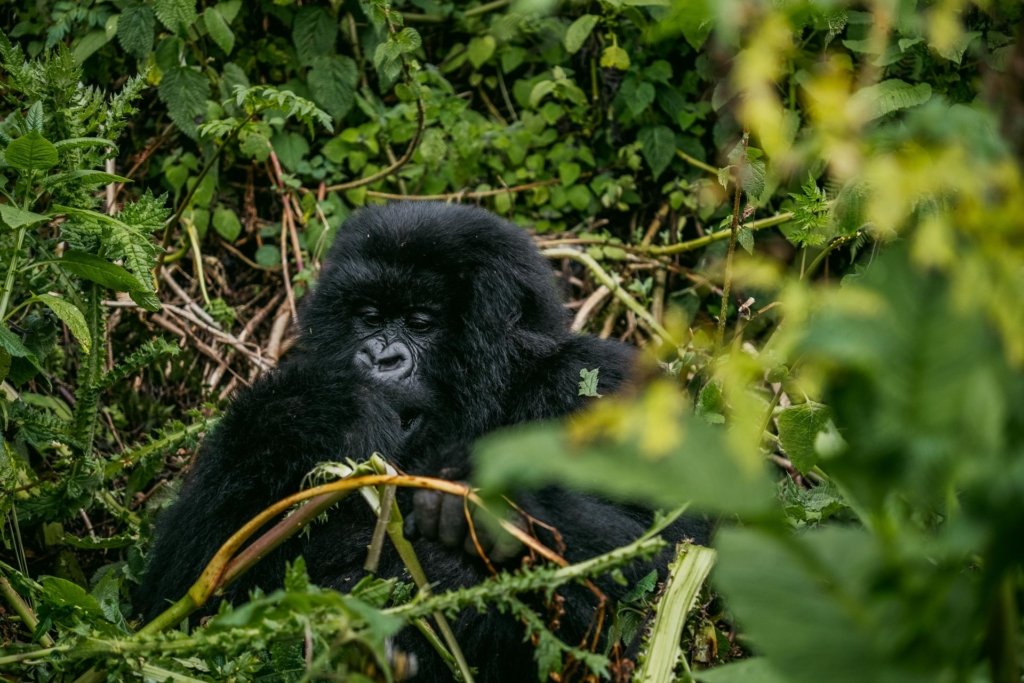
    Bwindi Impenetrable National Park: In Buhoma, top lodges include Engagi Lodge, Mahogany Springs Lodge, Buhoma Lodge, Bwindi Volcanoes Lodge, and Sanctuary Forest Camp. In Ruhija, options include Ruhija Safari Lodge, Bakiga Lodge, Ruhija Friends Resort, and Broadbill Forest Camp. Rushaga has budget options like Rushaga Havens Lodge and mid-range choices like Ichumbi Lodge. In Nkuringo, Clouds Mountain Gorilla Lodge is the standout luxury option, alongside Nkuringo Lodge and Gorilla Heights Lodge.

    Mgahinga National Park: A quieter trekking destination with fewer nearby lodges, close to Bwindi’s Rushaga and Nkuringo sectors, as well as Lake Mutanda, Kisoro, and Lake Chahafi. Luxury options include Mount Gahinga Lodge and Mutanda Lake Resort, mid-range options include Travelers Rest Hotel, Ichumbi Hotels, and Lake Chahafi Resort, and Mucha Lodge is a solid budget choice.


    Inquire Now

    Top African Tour Destinations

    Explore African safari destinations in style by choosing your ideal safari tour and wildlife safari packages below.

    Explore Travel Information, Guides & News

    Tourism industries are so dynamic! Reading news and updates keeps you updated.

    Explore Authentic Safaris & Tours

    Africa is a gem with lots of unique and awesome travel experiences that you will definitely love. Commonly termed as the best primate trekking continent in the world, Africa has so much more to offer in terms of wildlife, adrenaline activities, mountain climbing adventures, and honeymoons among other experiences.

    Start Planning Now